New Westminster top Concrete Contractor for Professional Concrete Work
New Westminster top Concrete Contractor for Professional Concrete Work
Blog Article
Skilled Concrete Contractor for All Your Construction Needs
Engaging a qualified concrete expert is indispensable for the triumph of any construction project. Their technical knowledge ensures that tasks are executed efficiently and to a top-tier quality. These professionals navigate challenges with dexterity and have strong ties that facilitate material sourcing. Recognizing local regulations and placing emphasis on safety are also key aspects of their role. Yet, many overlook the sustained value of choosing the right contractor. What factors should one assess when making this important decision?
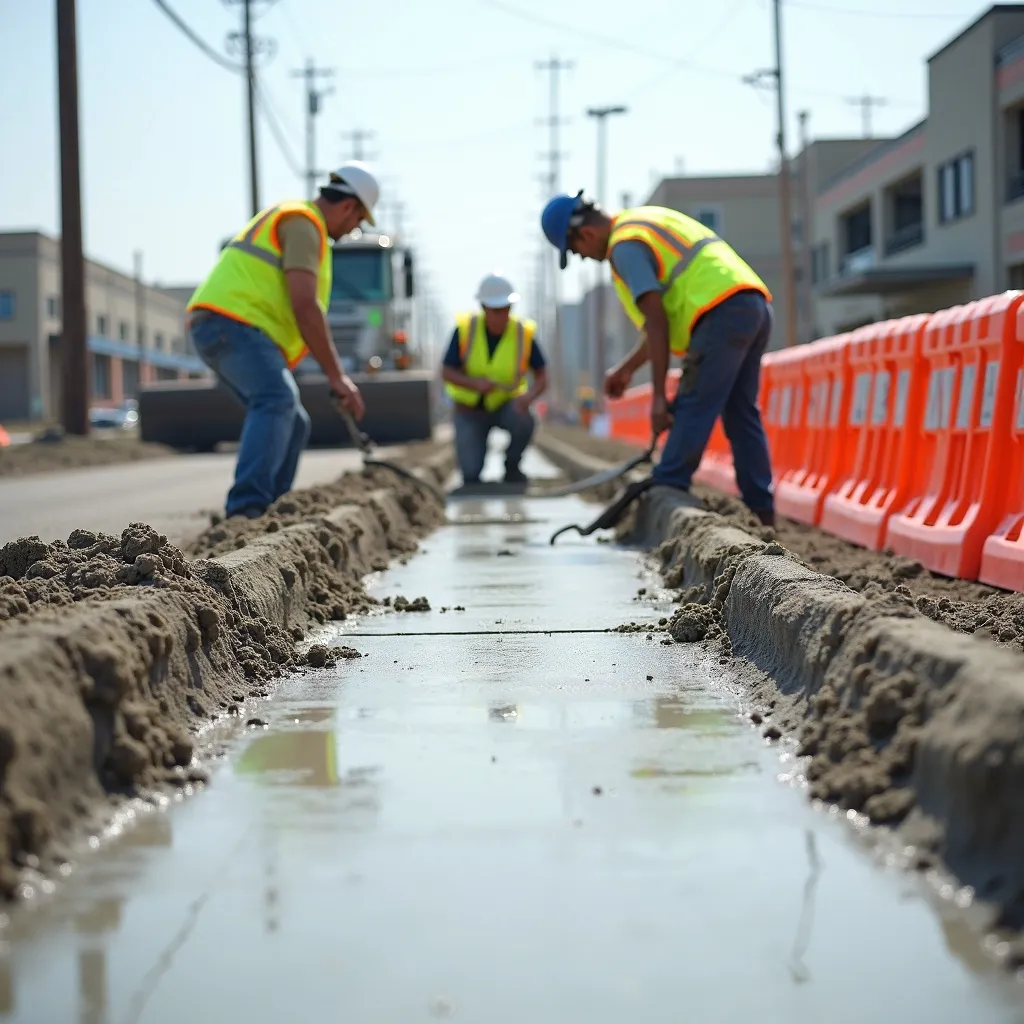
Why Hiring an Seasoned Concrete Contractor Is Important
When deliberating a building proposal, the importance of bringing on an veteran concrete contractor cannot be diminished. An skilled contractor contributes a tremendous collection of competence and abilities that are imperative for safeguarding the value and durability of concrete work. Their familiarity with multiple procedures and options enables superior decision-making, ultimately producing a more resilient and reliable structure.
Additionally, experienced contractors are skilled at tackling potential challenges that may develop during the building timeline. They are capable to manage unexpected issues effectively, limiting interruptions and additional costs. In addition, an seasoned contractor often has established relationships with suppliers and subcontractors, which can facilitate the procurement of items and assets.
Essential Characteristics of a Reliable Concrete Contractor
A reliable concrete contractor possesses several crucial characteristics that distinguish them in the construction industry. Primarily, excellent communication abilities are fundamental; they guarantee that clients are informed during the entire project, fostering confidence and understanding. Additionally, a solid reputation established through favorable client reviews and recommendations indicates a contractor's dependability and quality of work.
Additionally, competence with various concrete applications, combined with familiarity with the latest techniques and materials, enables them to achieve superior results. Meticulous attention to detail is another crucial quality, as it confirms precise measurements and high-quality levels of workmanship.
In the end, a commitment to safety and adherence to regulations show professionalism and responsibility. By embodying these characteristics, a dependable concrete contractor essential information not only fulfills client expectations but also supports favorable project results, establishing them as vital in the construction sector.
Steps to Determine the Best Concrete Project for Your Needs
Picking the best concrete project requires careful reflection of distinct needs and objectives. Individuals should begin by assessing the intended use of the concrete, whether for driveways, foundations, or decorative elements. A clear recognition of the project's purpose guides the selection of materials and methods.
Next, budget constraints represent an important role. Evaluating available financial resources helps in determining the extent and intricacy of the project. Additionally, the local climate can impact the choice of concrete type and finishing techniques, securing durability and longevity.
It is also important to take into account the schedule for completing your project. Some concrete projects require time to cure, which may affect scheduling. Working with an skilled concrete professional can offer useful information into the optimal methods and choices at hand. Ultimately, aligning the project's specifics with personal requirements results in a successful concrete project that meets the desired outcomes.
What You Need to Know About Local Concrete Regulations?
Grasping local concrete codes is vital for any building initiative, as these rules determine various aspects of concrete employment, including material specifications, installation methods, and sustainability factors. These standards are typically created by city or state authorities and can change substantially from one location to another.
Contractors need to be cognizant of zoning laws, which can determine where concrete structures may be constructed. Additionally, building codes frequently establish the required strength and composition of concrete mixes, guaranteeing safety and durability. Environmental regulations may also enforce the use of eco-friendly materials and proper waste disposal methods to lessen environmental impact.
Noncompliance with these regulations can trigger fines, construction delays, or even legal action. As such, liaising with local authorities early in the planning process is wise. Understanding and complying with these regulations not only supports community safety but also reinforces the integrity of the construction project.
Why Professional Specialists Help You Save You Valuable Hours and Money
Professional contractors assume a key position in streamlining construction projects, allowing clients to enjoy both time efficiency and cost reductions. Their deep knowledge enables them to navigate complex tasks swiftly, minimizing the overall project timeline. By leveraging industry connections, professional contractors often secure better pricing on materials, leading to lower costs for clients.
In addition, their familiarity with local regulations secures compliance, which curtails the risk of prohibitive lags and citations. Streamlined project execution is a further key advantage, as these consultants orchestrate labor and resources, forestalling impediments that can lead to mounting charges.
Moreover, by applying established methods, skilled professionals reduce the probability of errors, which can cause expensive rework. Ultimately, engaging a seasoned contractor not only enhances the quality of the project but also optimizes financial resources, making it a sound investment for any building project.
The Value of High-Grade Materials and Methods in Concrete Work
High standards in concrete work is fundamental, as it directly controls the durability and longevity of any construction project. The procurement of high-grade materials plays a vital role; inferior concrete can lead to cracking, erosion, and structural failure over time. Using quality aggregates, cement, and additives promises that the final product can withstand environmental stresses and heavy loads.
Moreover, leveraging state-of-the-art methods during the mixing, pouring, and curing phases considerably enhances the solidity of the concrete. Correct proportional combinations and solidification techniques help reaching ideal robustness and diminish defects. Knowledgeable specialists understand these particulars and deploy best practices to secure superior results.
Ultimately, putting money into high-quality materials and methods not only enhances the structural integrity but also minimizes ongoing maintenance expenses. This foundation of reliability is crucial for both commercial and residential projects, assuring that they stand the test of time. Concrete work quality is an investment with significant returns.
Frequently Posed Questions
Which Types of Cement Services Do Contractors Frequently Offer?
Concrete contractors commonly provide a wide range of services including pouring foundations, installing driveways, decorative concrete work, slab building, sidewalk and patio creation, repair and resurfacing, as well as concrete demolition and recycling.
How much time does a standard concrete job generally take?
A standard concrete project customarily takes roughly one to three days, influenced by factors such as project size, complexity, weather conditions, and curing time. Oversized or more detailed projects may entail additional time for completion.
What Are the Standard Warnings of Defective Concrete Work?
Common warnings of deficient concrete application consist of visible cracks, bumpy texture, faulty water flow, staining, chipping, and surface dusting. These issues typically point to incomplete setting, improper mixing, or inadequate setup, weakening the structure's integrity and longevity.
May I Request Custom Designs for My Concrete Project?
Yes, bespoke designs for concrete work can be asked for. Many construction professionals offer flexibility in design, enabling customers to include unique features and aesthetics that match their vision, improving both functionality and visual appeal.
How Do Climate Factors Effect Concrete Curing Times?
Weather conditions greatly impact concrete hardening. High temperatures can speed up drying, causing cracking, while cold can delay the process, risking potential incomplete hydration. Ideal curing demands moderate temperatures and regulated moisture to ensure durability and strength.
Report this page